CONDOR is a multi-static meteor radar network consisting of one transmitter and multiple geographically separated receiver stations. The system detects radio echoes from the ionized trails left by meteoroids entering the upper atmosphere, and measures the Doppler frequency shift of those echoes to infer the horizontal wind velocity of the neutral atmosphere between 70 and 110 km altitude.
Unlike traditional monostatic meteor radars, the multi-static configuration enables detection of meteor echoes from both backward and forward scattering geometries, significantly increasing the number of valid detections per hour and improving the spatial coverage of wind measurements. The ALO, SCO, and LCO sites provide north-south coverage in Chile, while the CASLEO and Tudcum (under construction) sites extend the network eastward into Argentina, enabling more complete 3D wind retrieval across the region.
CONDOR and its expansion to the CASLEO and Tudcum sites in Argentina are supported by the U.S. National Science Foundation through the Major Research Instrumentation (MRI) and Distributed Array of Small Instruments (DASI) programs. The radar hardware is an Enhanced Meteor Detection Radar (EMDR) manufactured by ATRAD Pty Ltd. The Leibniz Institute of Atmospheric Physics (IAP) at the University of Rostock provided two receiver systems for CASLEO and Tudcum.
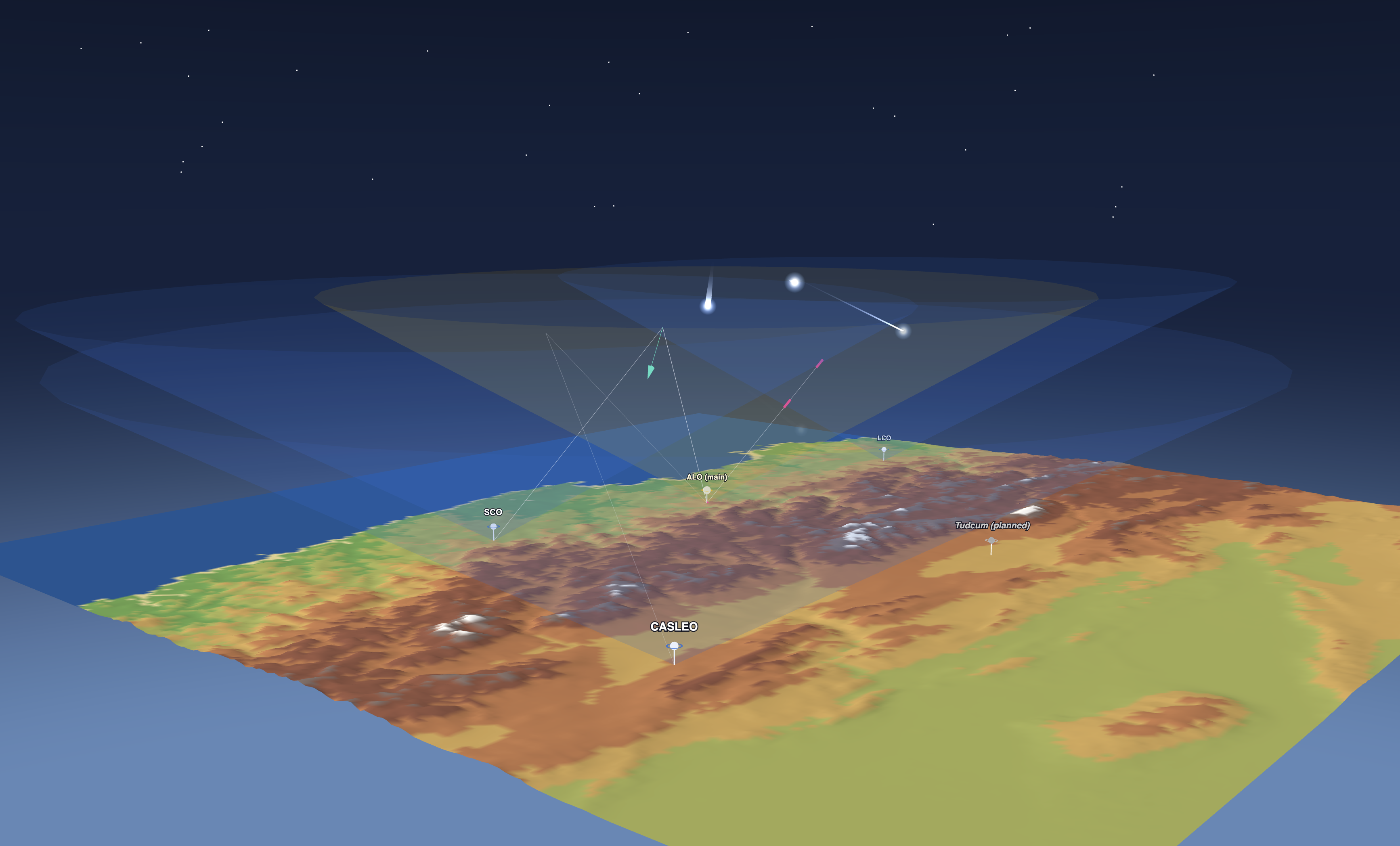
Multi-static detection geometry Click to open 3D animation
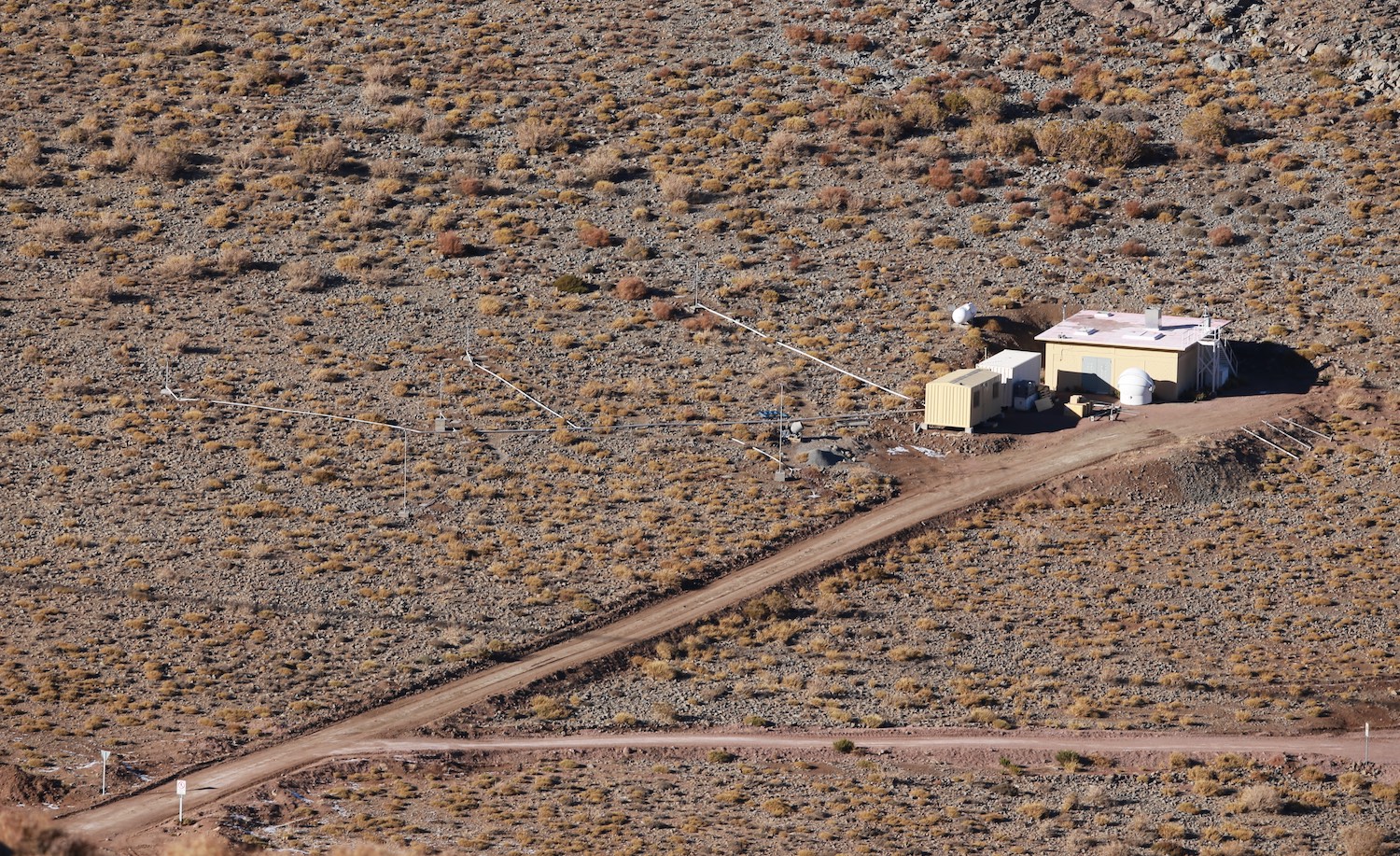
Main station housing the transmitter and one receiver. Co-located with the Na Lidar and all-sky imager instruments. Operational since June 2019.
Transmitter + Receiver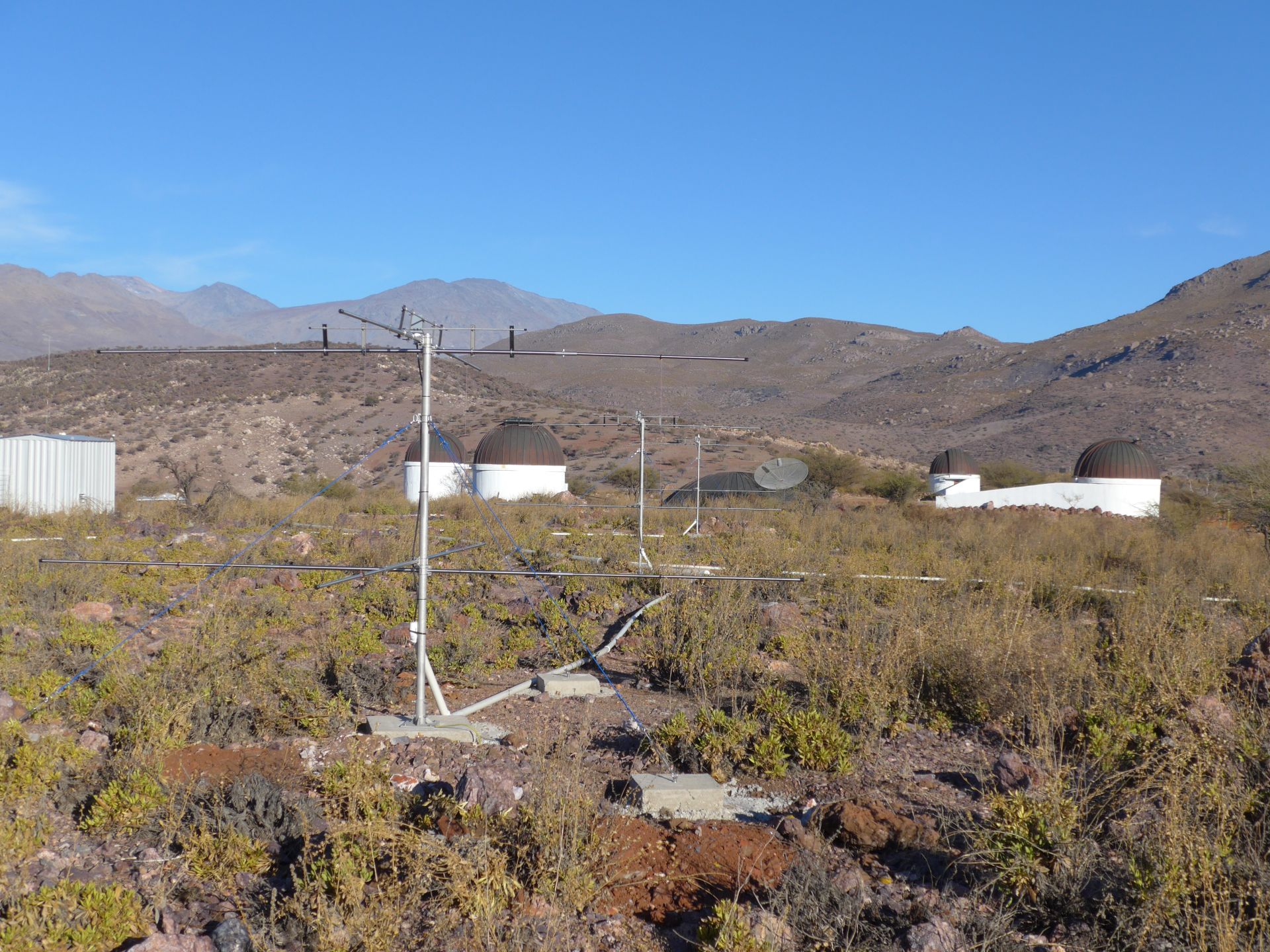
Remote receiver station at Cruz del Sur Observatory, approximately 140 km south of ALO. Operational since July 2019.
Receiver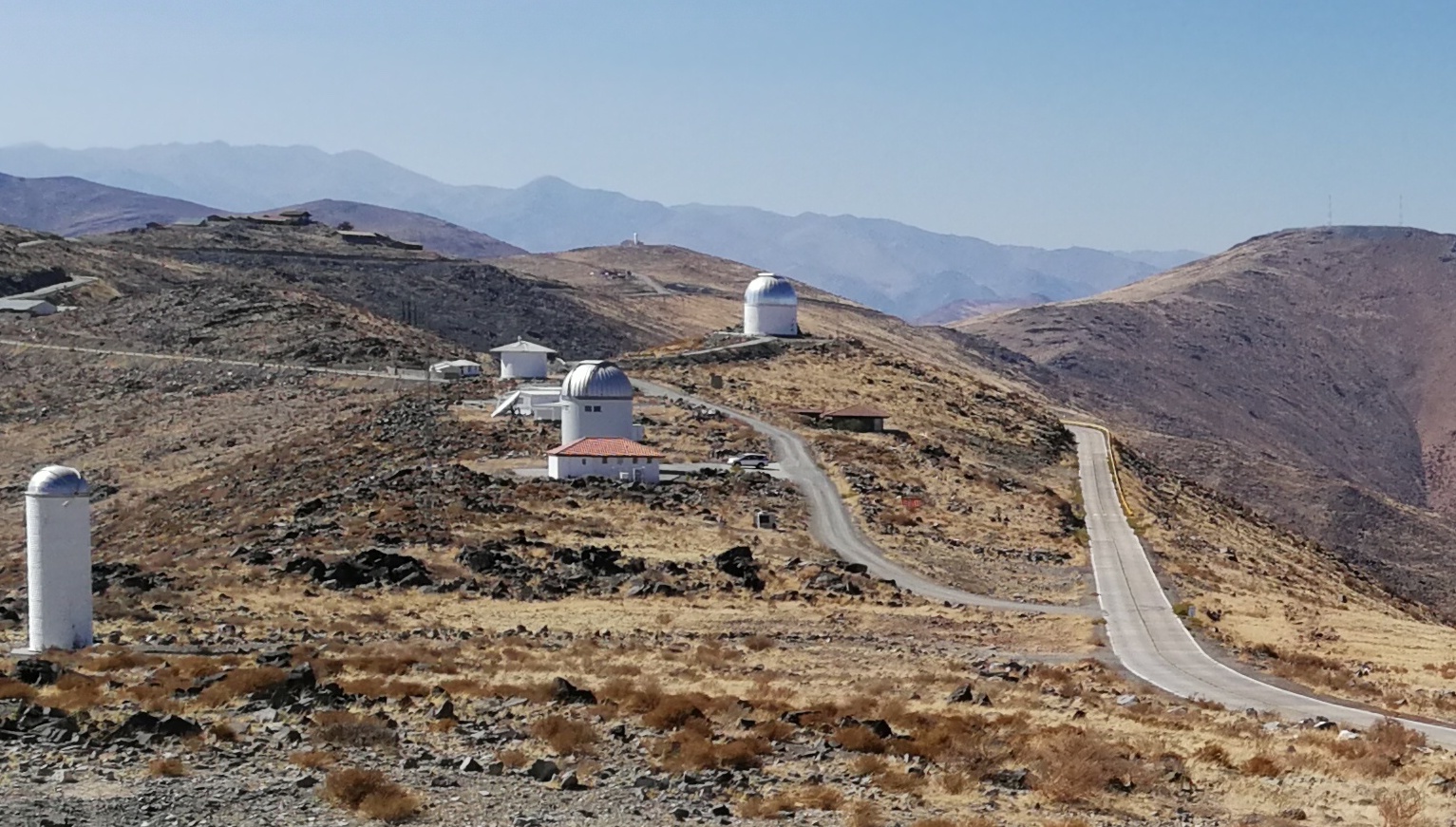
Remote receiver station at Las Campanas Observatory, approximately 145 km north of ALO. Operational since February 2020.
Receiver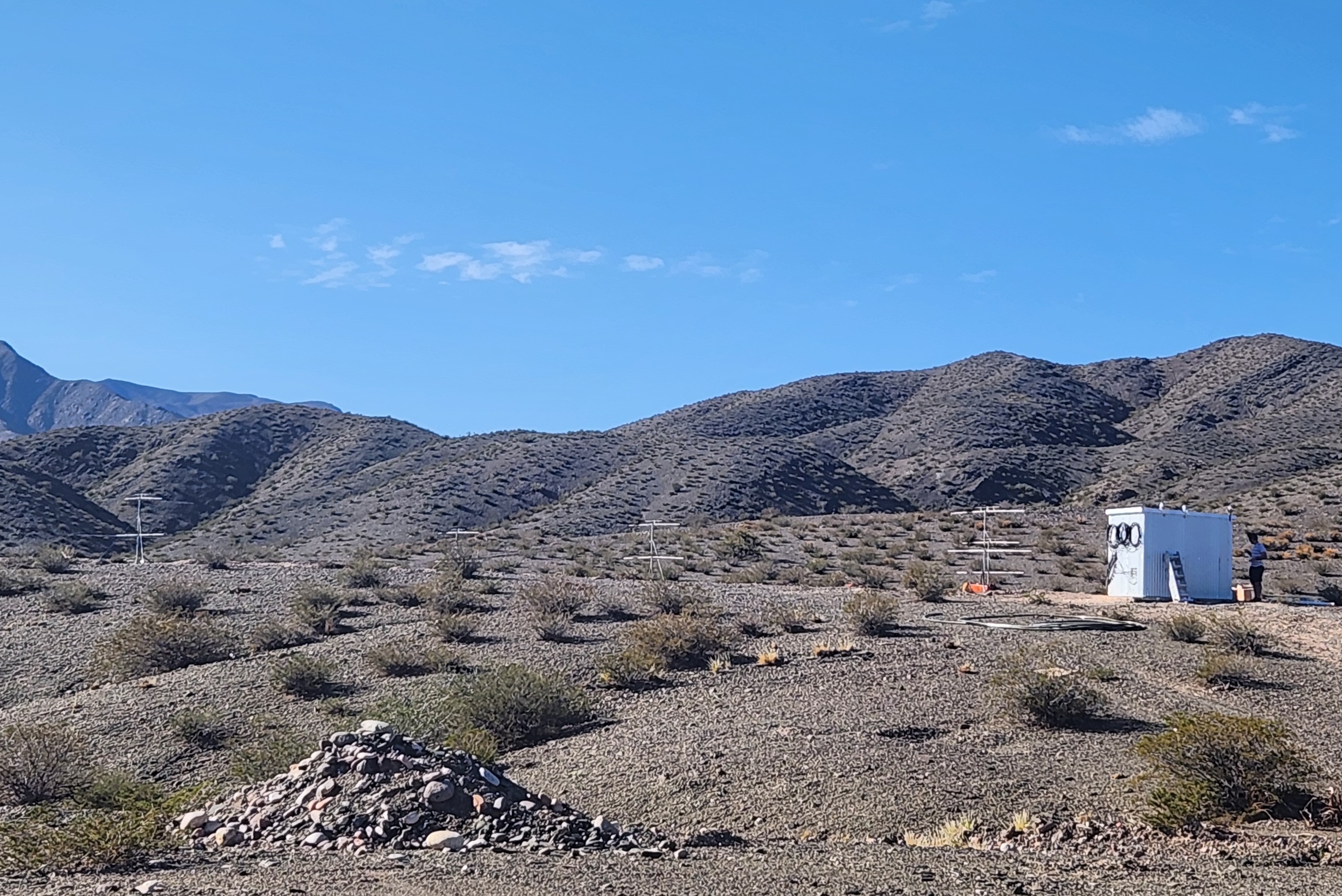
Remote receiver station in the Argentine Andes, extending the network's east–west baseline and enabling 3D wind retrieval across a wider longitude range.
ReceiverBrowse the full archive of CONDOR observations with interactive controls for month, altitude, and site selection.
- Monthly horizontal wind contour plots (zonal & meridional)
- Wavelet power spectrum — oscillation amplitudes across periods
- Daily meteor count statistics per site
- Altitude range and site selector
Isolate wave activity by period with an interactive band-pass filter. Designed for researchers who want to extract tidal, planetary wave, or gravity wave signatures from the wind record.
- Adjustable band-pass period range (Butterworth, zero-phase)
- Time resolution: 15, 30, or 60 min bins
- Month-range selection across the full archive
- Interactive Plotly time series with zoom & pan